
Australian Mountain Bike magazine recently published an online version of an article I wrote unpacking what happens when you ‘commit’ to an obstacle. I’ve loved seeing the response to this article and how such a simple expression shared from one rider to another, ‘You’ve just gotta commit’, can have such a tension-reducing, ride-improving impact.
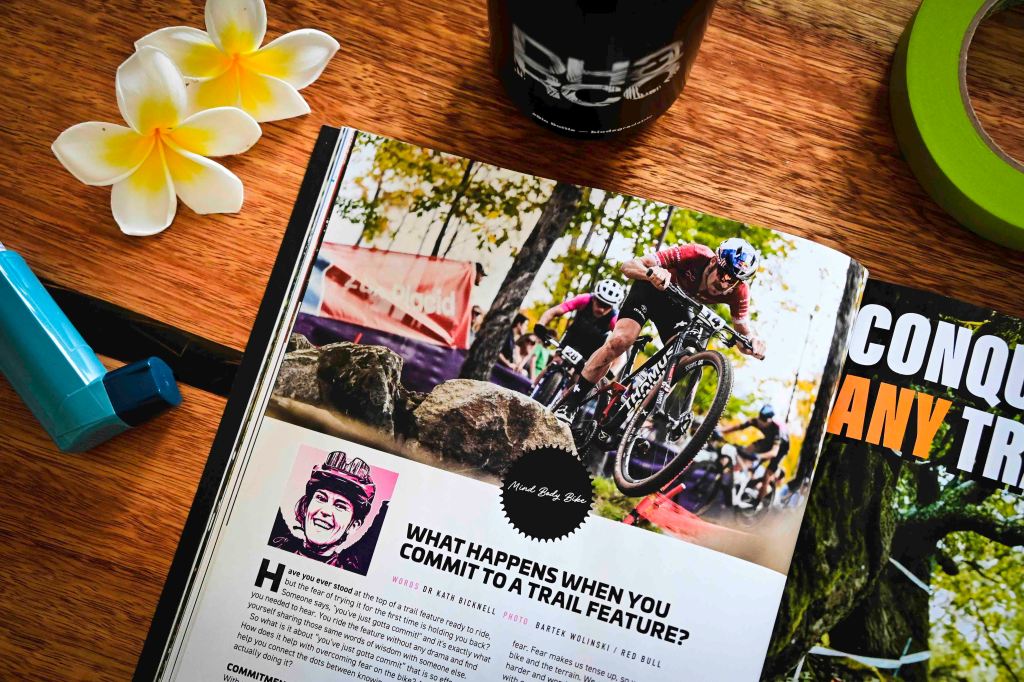
Something I didn’t share in that article is that this insight came from my first peer-reviewed journal article published in About Performance in 2010. Before that, it was a short case study at the end of my Honours dissertation in Performance Studies at the university 2007 – a piece of work that I then expanded into my PhD from 2008-2011. A series of observations that had a big influence on my experiences on the mountain bike track also had quite a big impact on my life away from it.
Another key point that the article made is that we don’t only learn through doing something, or even by practising each element of a movement step by step. Sometimes the leaps we make – that take us from wondering how to do something to working out how to do it – come from watching others. In the case study in this article, this meant trying to ride a hard right corner off a bridge, onto and down a muddy staircase, followed by a hard left corner. This was at a national cross-country mountain bike round held at Thredbo back in 2006.
I was terrible at that corner. Some people rode it. Some people ran it. I tried to ride it, lost momentum and would end up with one foot off the pedal, half riding, half scooting, curious how other people managed to ride it better.
Watching the men’s race, I noticed how some guys took a sneaky, wide line down the far side of the staircase. This line helped with keeping the momentum needed to complete the turn, keeping both feet on the pedals, and riding out of the obstacle with more speed.
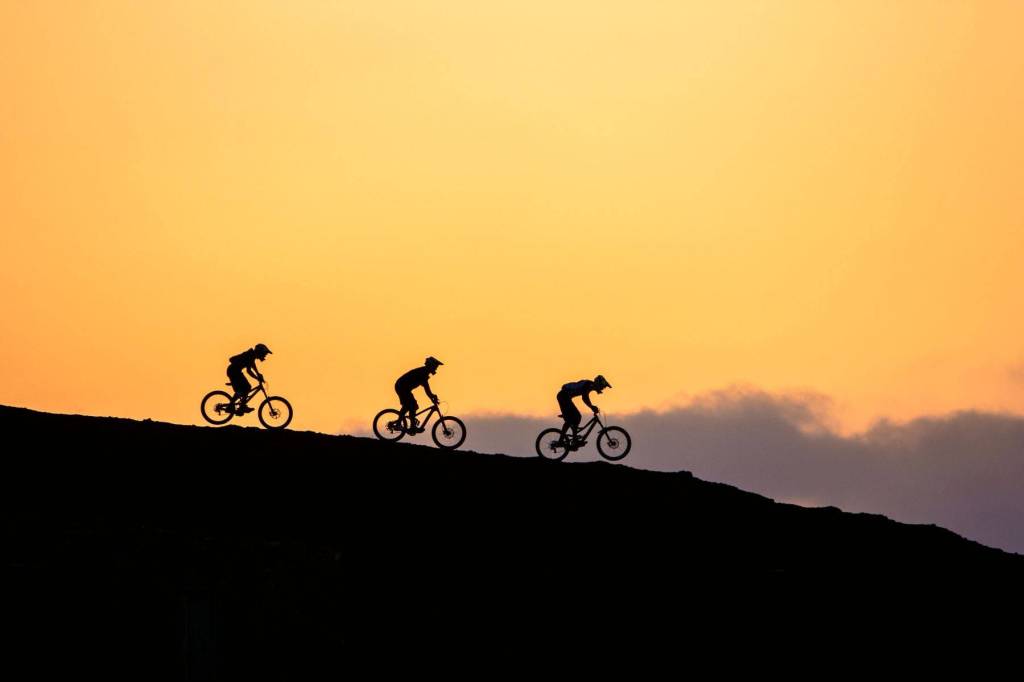
Jumping back on my bike when the track was clear again, I was able to put these observations to use and ride it. (Yay!) There will always be riders out there who can do this more smoothly, but one of the joys of the sport is how that keeps us motivated to keep learning and refining things further.
What can observation teach you?
The takeaway from this story, is next time you’re scratching your head (or your helmet), working out how to tackle some kind of challenge in front of you, take a step back and see what you notice when you watch someone else do it. What do you notice about what happens before, during and after the hardest part of the movement? What shapes does their body make as they move from point A to point B? What other mental leaps does this help you make for when you try the movement for yourself?
If you’re facing some kind of work task that you haven’t done before, take a moment to watch or visualise someone who has done it and see what you can learn from how they approach it. How do they hold themselves? What kinds of things do they say? What equipment do they use? How much does it matter if they didn’t do the thing perfectly? What supports might they lean on to help? What prompts does this give you for working out how to get started, or finding a way through some part of the task that’s stalling your momentum?
For the mountain bikers reading this post, if you’re interested in discovering more about using cues from other riders – how they move or what they say – to improve your own riding, check out the online course I built on Mastering Cues for Riding Well Under Pressure. There’s also lots in there about using cues to keep building in more control on the bike, which improves confidence, speed, enjoyment, safety and flow.
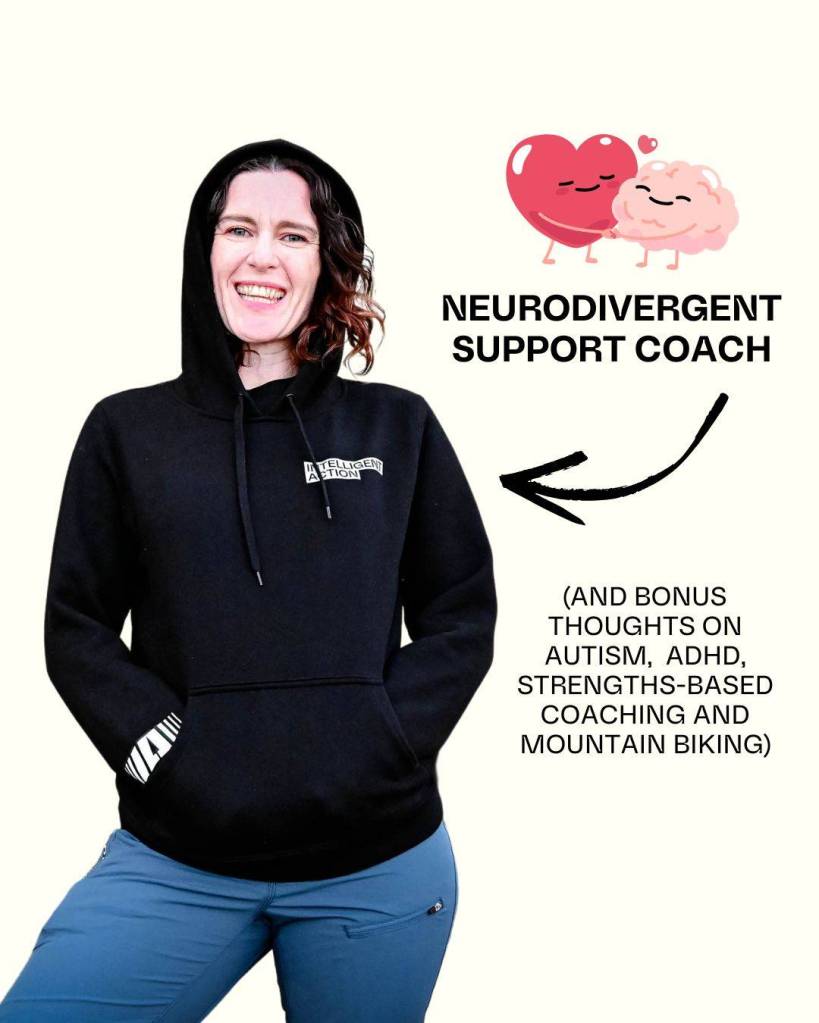
For people who prefer a structured, supportive chat than the self-paced course, I shared a post on social media recently about finishing a certified neurodivergent support coach course, and some bonus thoughts on autism, ADHD, strengths-based coaching, and mountain biking. The response has been really heartening and I’m excited to do more work in this area. For more information on online coaching, I’ve built a webpage for that too.
Thanks for reading! Keep noticing what you notice, and see how it helps you to think, move and do the things you love to do!
This post was originally created for The Cognitive Advantage Newsletter. If you want to receive more like it in your inbox once a month, you can join here!
If you want to dive deeper and learn more, there are two ways I can help you:
Online coaching / strategy session: Learn more about your unique cognitive processing style out on the trails (and off them!), and how to build on this with personalised strategies for more flow, less overwhelm and more focus and control when it counts.
The Mastering Cues online course: This self-paced course expands your toolkit for mental efficiency and precision out on the trails. Guide your body under pressure, reduce ‘cognitive load’ and upgrade your riding (or coaching!) abilities from the comfort of the couch!
 Intelligent Action
Leave a comment