
Cues are words, phrases, images, sensations and sounds that help to prompt our long-term memory, sharpen our focus, or coordinate complex series of body movements during a challenging task. They’re an incredibly efficient way of focusing on one very small thing that enables us to do a much bigger thing.
Looking at a specific point on a mountain bike trail helps you know where to pilot your bike without having to re-look at the whole obstacle, choose your line and guide every aspect of your body position. “Reaching through your fingertips” or “softening your elbow” might be a helpful, and surprisingly transformative, cue in a yoga or physio context.
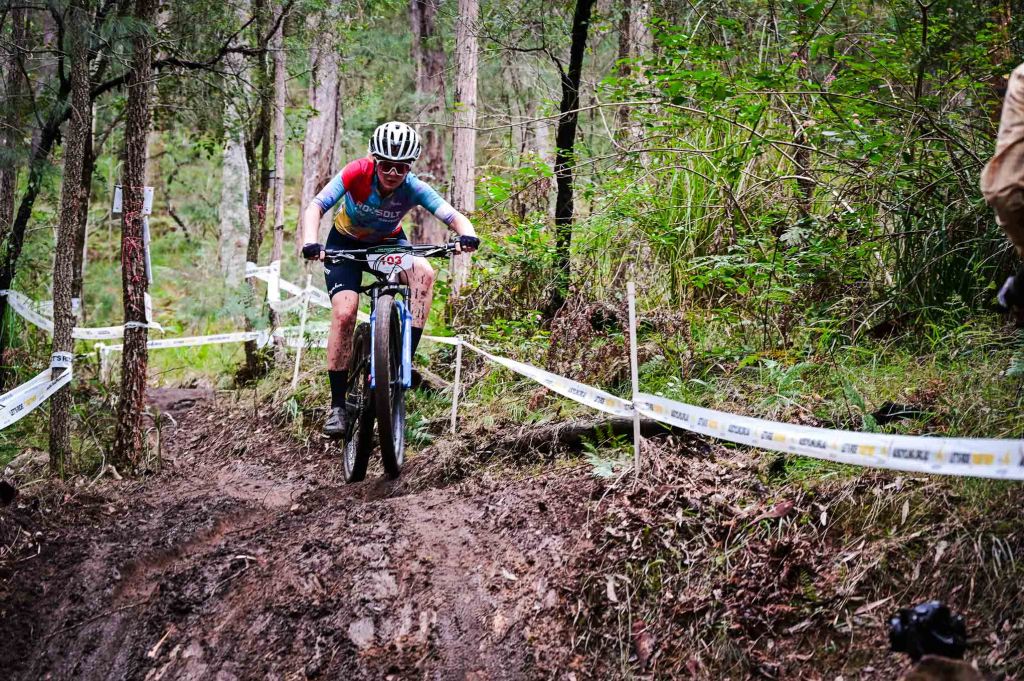
Something I’ve been buzzing about lately is hearing from people doing the “Mastering Cues for Riding Well Under Pressure” online course about a) what they’ve been getting out of the course (a total joy for any course creator to hear, I imagine) and b) the cues that they draw on for moving well when it counts.
In printing a new batch of thanks-for-doing-the-course-or-buying-some-sweet-new-merch stickers last week, I found myself reflecting on what two of my favourite, multi-scenario cues are. The winners were: “Focus on the process” and “Be your own cheerleader.”
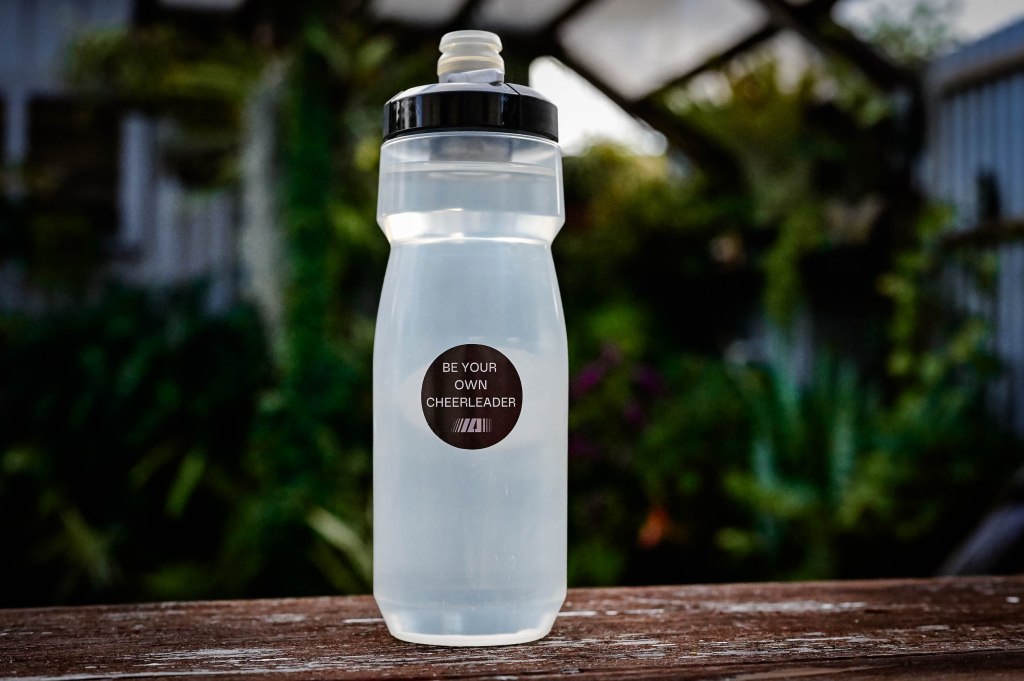
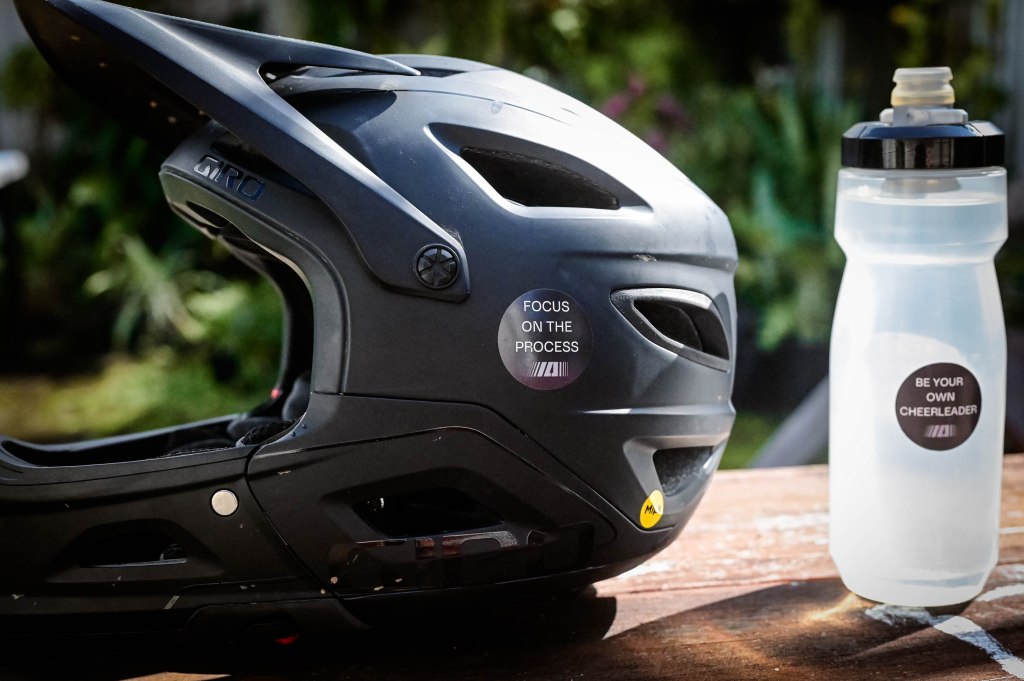
“Focus on the process” is one most people quickly relate to as helping them get back in the present moment rather than stuck in the past or worrying about the future. It keeps us tuned into the intrinsic rewards of the thing we’re doing, as we’re doing it. Focusing on the outcome, by comparison, is a textbook flow killer. A small irony is that if you want an outcome like winning or a PB performance, it’s focusing on the process that will help you get there!
MarathonMTB.com racer Imogen Smith is the person to thank for “Be your own cheerleader.” I interviewed her last year about what experience has taught her that she wishes she’d learned earlier. She spoke about how she used to waste a lot of energy, and ride more slowly, due to thinking about what she’d done wrong – like a corner she’d ridden badly in the past, rather than focusing on the next corner.
“I often think about tennis players, and how a tennis player celebrates every point, every game, every set and bringing that kind of attitude to your riding,” Imogen said. “So, celebrate every corner you get right, instead of punishing yourself for a corner you’ve got wrong. And if you’re doing a race, breaking it up into segments and celebrating each part of that.”
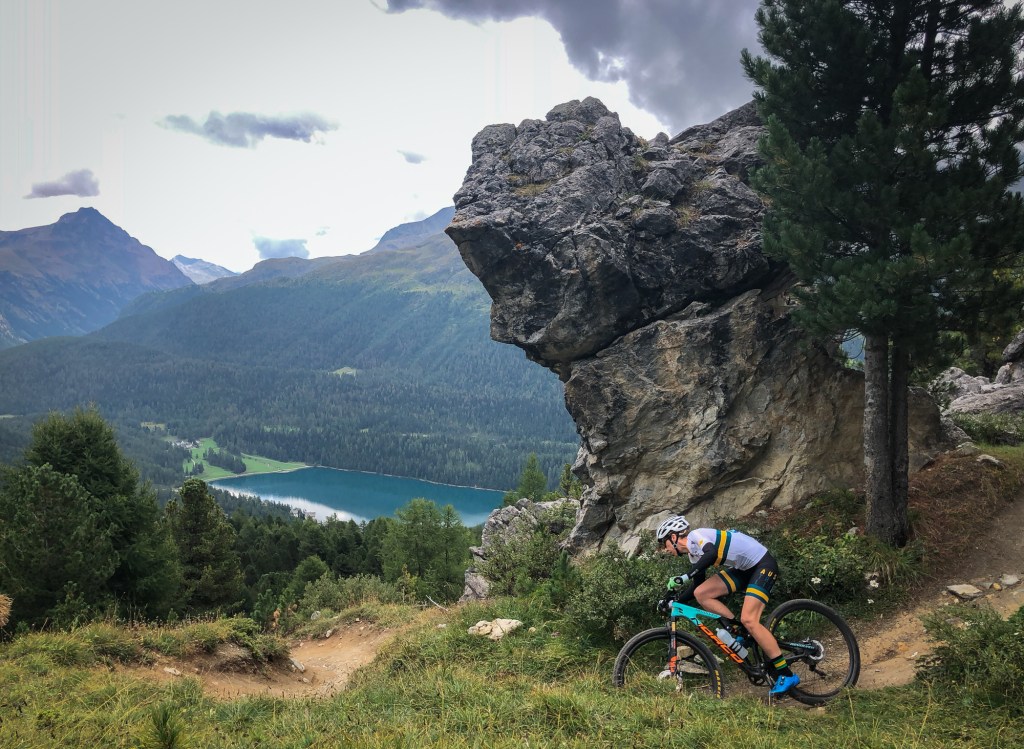
Whether it’s riding, racing, running, swimming or powering through a long and difficult work task, the good feelings from celebrating the tiniest of wins add up, the bad ones remain in the past, and flow starts to return, if it wasn’t there already.
I think about this cue from Imogen often. Not only is it a valuable reset cue, it’s another way of bringing your focus back to the process but with an extra dopamine lift.
The cue also resonates in today’s hyper-critical, improvement- and approval-oriented world. Whether you’re posting on social media, reviewing the data from your latest workout, advocating for your needs in just about any situation, or just wanting someone to tell you you’ve done something well, it certainly doesn’t hurt to congratulate yourself now and then: feel motivation, satisfaction and validation from that self-recognition, rather than wait for someone else to do it for you.
Something else remarkable about these two cues is they work in so many situations and are especially handy for turning a funk state into a flow state. They are small enough to fit on a sticker, yet just took this whole article to explain!
Try them out (with or without a sticker as cue of its own!) and see whether, how, and when they work for you. Keep them in your mental toolkit as something to draw on when you need to overcome some inertia or turn an average day into a good one.
If you have other favourite wide-reaching cues, I’d love to hear what they are too! If you want to dive further into riding cues, there’s an online course and online coaching sessions for that too!
This post was originally created for The Cognitive Advantage Newsletter. If you want to receive more like it in your inbox once a month, you can join here!
If you want to dive deeper and learn more, there are two ways I can help you:
Online coaching / strategy session: Learn more about your unique cognitive processing style out on the trails (and off them!), and how to build on this with personalised strategies for more flow, less overwhelm and more focus and control when it counts.
The Mastering Cues online course: This self-paced course expands your toolkit for mental efficiency and precision out on the trails. Guide your body under pressure, reduce ‘cognitive load’ and upgrade your riding (or coaching!) abilities from the comfort of the couch!
 Intelligent Action
Leave a comment