
I got back out on my mountain bike this week for the first time since achieving a PB bruise at the Quad Crown Black Pearl mountain bike race in Newcastle a couple of weekends ago. You can see the bruise over on my personal Instagram if you’re the kind of person who likes to see such things. (I’m not. Especially when it’s covering half my thigh.)
After a couple of gentle test rides, I was as excited to get out on the trails as I was desperate for the mental reset that time in the bush provides. I started with laps of Deluge, a short, fun and flowy trail at Glenrock.
As I rode, I kept part of my attention on my outer thigh to learn what caused pain and what was pain-free. Medium pedalling? Good. Harder efforts? Not quite there yet. Smooth lines? Delightful. Bigger bumps? Owwwww. Hard no.
As the above thoughts imply, another part of my attention was on the trail. This part was seeking out the smooth lines, avoiding the bump and jump lines, swearing internally now and then when I stuffed that up and hit a series of stair steps that were far from ideal. (By this time, I’d ventured from Deluge and was happily back riding other favourites.)
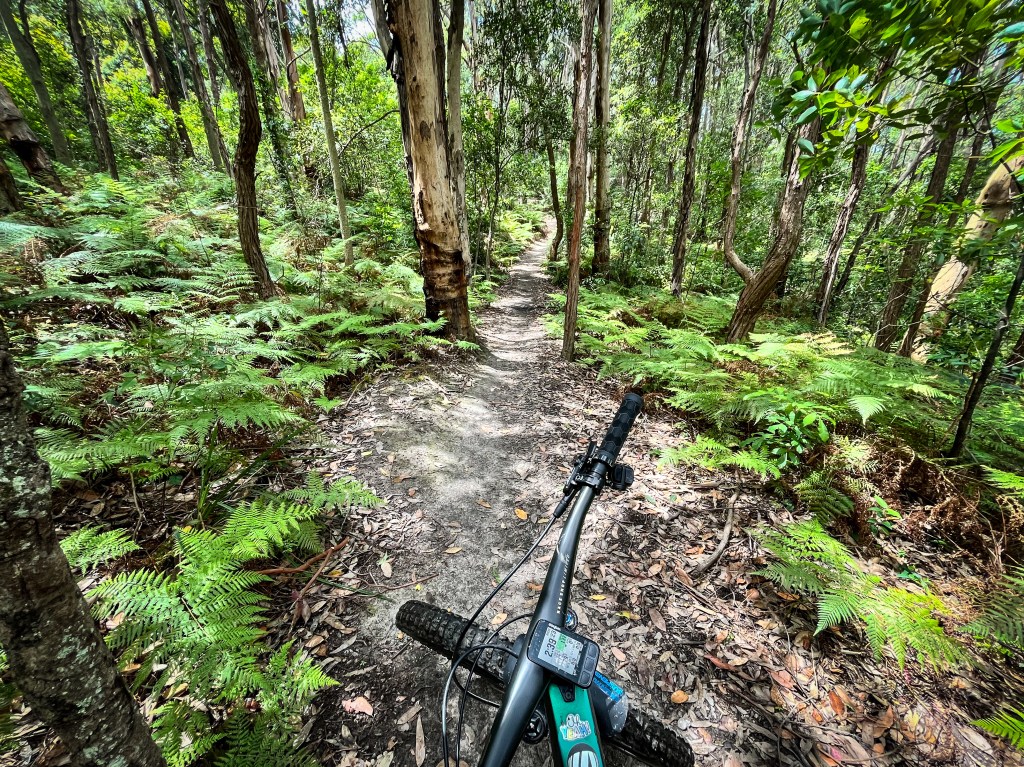
Each bit of trail taught me something about what I can and can’t do right now. The sensations from the technicolour bruise helped me keep refining that.
As my attention kept moving between my left leg and the trail, information from one informed what I understood about the other. Plus, there was a whole lot of appreciation going on for how good it felt to be back outside, moving well, listening to the birds, smelling the bush, loving my bike and living so close to these trails.
Back in 2009, James Williamson asked me if I wanted to be a columnist for Enduro magazine, which he edited. If you were lucky to know ‘Willo’, you’d know that the Solo 24-hour MTB World Champion was as inspirational with his writing as he was with his riding.
I was still discovering what it meant to write for a magazine audience. I was enjoying learning more about that through working with Willo as much as the mountain biking that was the focus of the mag.
I didn’t know what a columnist was, so I Googled it, learned it meant a regular article or commentary on a topic or theme and gave Willo an answer. Yes.
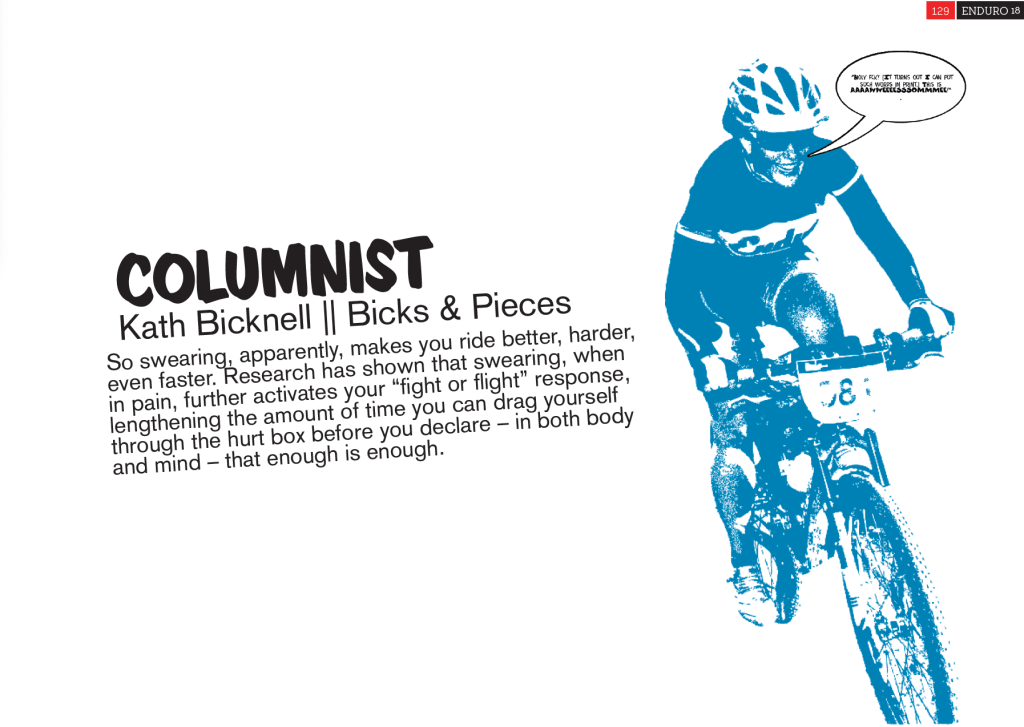
My biggest fear about being a columnist was: what if, in a few issues’ time, I don’t have anything to write about? I thought about it for a while and realised that I’d always have something to write about as every bike ride is different. And in that difference is a story about what makes that ride unique.
I also realised that if rides stopped being different, I’d have bigger problems than what to write about for my next column, as that difference is so key to what I love about riding and a life where riding is such a huge part of what I do and enjoy.
Fast forward through a Performance Studies PhD, nine years working in a Cognitive Science department, and a couple more studying brains, movement, and learning in Anthropology, and columns for a few other publications…..And something else I’m grateful for is not just that every ride is different, but how incredible our brains are in the way they enable us to work with these differences. On the trail, and in life.
We scan. Adapt. Evaluate. Choose. Focus. Switch focus. Update and refine. Make sensible decisions. Make less sensible ones and adapt to those as well.
This week’s bruise ride is such a great example of how that looks not just in theory, but in practice. Adapting to an injury means reading the trail differently, paying closer attention to our bodies, and appreciating the experience from a shifted perspective.
And in that difference is this post. Originally shared as part of the first Cognitive Advantage Newsletter. A modern-day column.
I hope you enjoyed this story and it prompts you to enjoy whatever it is that makes your favourite activity a little, or a lot, different next time you do it. Take a moment to thank your body and your brain for what they enable while you’re at it!
This post was originally created for The Cognitive Advantage Newsletter. If you want to receive more like it in your inbox once a month, you can join here!
If you want to dive deeper and learn more, there are two ways I can help you:
Online coaching / strategy session: Learn more about your unique cognitive processing style out on the trails (and off them!), and how to build on this with personalised strategies for more flow, less overwhelm and more focus and control when it counts.
The Mastering Cues online course: This self-paced course expands your toolkit for mental efficiency and precision out on the trails. Guide your body under pressure, reduce ‘cognitive load’ and upgrade your riding (or coaching!) abilities from the comfort of the couch!
 Intelligent Action
Leave a comment